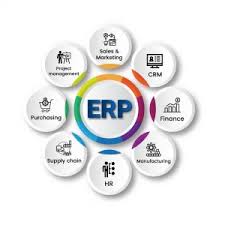
In 2026, small businesses face increasing pressure to streamline operations, boost productivity, and make smarter decisions—all while managing tight budgets. Enterprise Resource Planning (ERP) systems, once the domain of large corporations, are now accessible and affordable for small and medium-sized businesses (SMBs). These platforms integrate key business functions such as finance, inventory, sales, and customer management into a single system, helping small businesses operate more efficiently and compete with larger rivals.
Here’s a look at some of the best ERP solutions for small businesses in 2026.
1. Cloud-Native ERP: The New Standard
Cloud-based ERP has become the preferred choice for small businesses due to its flexibility, scalability, and lower upfront costs. Unlike traditional on-premise systems, cloud ERP doesn’t require expensive servers or IT teams, making it ideal for small operations with limited resources.
2. Top ERP Solutions for Small Businesses in 2026
1. Odoo
Why It’s Great for Small Businesses:
Odoo is a versatile, modular ERP system that allows businesses to start with essential features and scale over time. Its open-source nature means lower costs and customization flexibility.
Key Features:
Integrated CRM, accounting, inventory, and sales
Simple user interface
Affordable pricing with optional add-ons
Odoo’s ecosystem supports businesses of various sizes, making it one of the most adaptable ERP choices for 2026.
2. SAP Business One
Why It’s Great for Small Businesses:
SAP Business One offers comprehensive capabilities designed specifically for growing businesses. It provides reliable financial management, inventory control, and reporting features.
Key Features:
Real-time data analytics
Scalable modules for finance, operations, and sales
Strong support ecosystem
Ideal for SMBs with plans to expand regionally or internationally.
3. Microsoft Dynamics 365 Business Central
Why It’s Great for Small Businesses:
This Microsoft solution combines ERP and CRM functionality in a single cloud platform. Its strong integration with Microsoft Office tools makes adoption easy for teams familiar with Microsoft products.
Key Features:
Seamless integration with Excel and Outlook
Financial reporting and project management tools
Cloud scalability
Business Central is a top choice for small businesses that rely on Microsoft tools.
4. NetSuite
Why It’s Great for Small Businesses:
NetSuite is a fully integrated cloud ERP that expands as your business grows. Though traditionally associated with mid-size companies, its scalable pricing models make it suitable for SMBs in 2026.
Key Features:
Unified accounting, inventory, and CRM
Global business support
Real-time dashboards
NetSuite is particularly valuable for businesses with international operations or complex financial needs.
5. Freshworks CRM + ERP
Why It’s Great for Small Businesses:
Freshworks blends CRM and ERP capabilities into an affordable package for small teams. This solution helps SMBs manage sales pipelines, customer relationships, and basic financial processes in one place.
Key Features:
Intuitive interface for small teams
Strong customer engagement tools
Built-in automation workflows
Ideal for growth-focused small businesses with a strong sales and customer service orientation.
3. What Small Businesses Should Look for in an ERP System
When choosing an ERP solution in 2026, small businesses should consider the following:
✔ Affordability
Cloud ERP systems with subscription pricing help reduce initial investment and spread costs over time.
✔ Scalability
Choose software that can grow as your business expands—adding users, features, and integrations without major hassle.
✔ Ease of Use
Simple interfaces reduce training time and improve employee adoption.
✔ Integration Capabilities
Integration with tools like CRM platforms, e-commerce systems, and payroll software adds value and improves workflow efficiency.
✔ Support and Training
Vendor support, community resources, and training materials are critical for small business success.
4. ERP Trends for Small Businesses in 2026
Here are some ERP trends influencing small business choices this year:
📌 AI and Predictive Analytics
AI-driven insights help SMBs forecast demand, manage cash flow, and plan inventory more effectively.
📌 Mobile Accessibility
ERP platforms with mobile apps allow business owners to access crucial data anytime, anywhere.
📌 API-First Architectures
Modern ERP systems support easy integration with third-party apps through APIs, expanding capabilities without customization headaches.
📌 Embedded Automation
Automation features reduce manual tasks such as invoicing, order entry, and reporting.
5. Final Thoughts
In 2026, ERP software is no longer a luxury — it’s a necessity for small businesses that want to compete, scale, and operate efficiently. Cloud-based solutions like Odoo, SAP Business One, and Microsoft Dynamics 365 Business Central combine affordability, scalability, and powerful features that support long-term growth.
By choosing the right ERP solution, small businesses can boost productivity, improve data visibility, and make smarter strategic decisions that drive success well into the future.
Would you like SEO title tags, meta descriptions, or a comparison chart for these ERP options? I can create those too!