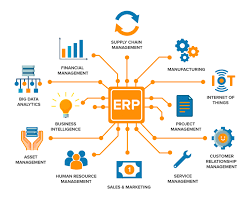
As digital transformation accelerates across industries, Enterprise Resource Planning (ERP) systems remain at the center of operational strategy. In 2026, businesses face a critical decision: adopt Cloud ERP or continue investing in Traditional (On-Premise) ERP systems.
Both deployment models offer distinct advantages, but shifting market demands, security expectations, and cost considerations are influencing what companies prefer today.
Understanding the Difference
Cloud ERP
Cloud ERP is hosted on the vendor’s infrastructure and accessed through the internet. Companies pay a subscription fee and rely on the provider for maintenance, updates, and security.
Leading cloud solutions include SAP S/4HANA Cloud, Oracle Fusion Cloud ERP, and Microsoft Dynamics 365 Business Central.
Traditional (On-Premise) ERP
Traditional ERP is installed on a company’s own servers and managed internally by its IT department. Organizations have full control over system configurations and data storage.
Popular traditional ERP platforms include SAP S/4HANA and enterprise solutions provided by Oracle Corporation.
Cost Considerations in 2026
Cloud ERP: Subscription-Based Model
Lower upfront investment
Predictable monthly or annual fees
Reduced hardware and IT infrastructure costs
Automatic system updates included
Traditional ERP: Capital-Intensive Model
High upfront licensing fees
Hardware and server expenses
Ongoing maintenance and upgrade costs
Dedicated internal IT resources required
In 2026, many small and mid-sized businesses prefer Cloud ERP due to its lower entry cost and scalability. However, large enterprises with complex customization needs may still invest in on-premise systems.
Scalability and Flexibility
Cloud ERP offers unmatched scalability. Businesses can easily add users, modules, or geographic locations without major infrastructure upgrades. This flexibility supports global expansion and remote work environments.
Traditional ERP systems, while highly customizable, require hardware upgrades and longer deployment cycles when scaling operations.
In a fast-moving economy, agility often determines competitiveness—giving Cloud ERP a strong advantage.
Security and Compliance
Security remains a top concern in 2026.
Cloud ERP vendors invest heavily in:
Advanced encryption
Multi-factor authentication
Continuous monitoring
Global compliance certifications
Because cloud providers manage data centers at scale, they often offer stronger security infrastructure than many individual enterprises can afford independently.
However, some industries—such as defense, government, or highly regulated sectors—prefer traditional ERP for greater internal control over sensitive data.
Implementation Speed
Cloud ERP systems typically deploy faster because they do not require physical infrastructure setup. Many companies can go live within months.
Traditional ERP implementations often take longer due to hardware installation, customization complexity, and internal system integration.
In 2026, businesses aiming for rapid digital transformation increasingly favor cloud solutions for faster ROI.
Customization and Control
Traditional ERP provides deeper customization and control over system architecture. Enterprises with highly specialized workflows may benefit from on-premise flexibility.
Cloud ERP, on the other hand, emphasizes standardized best practices. While customization is possible, it is often guided by vendor frameworks.
Companies must balance the need for flexibility with the benefits of streamlined, upgrade-friendly systems.
Remote Work and Global Accessibility
The rise of hybrid and remote work environments has significantly influenced ERP preferences.
Cloud ERP systems allow employees, managers, and executives to access real-time dashboards from anywhere in the world. This accessibility enhances collaboration and decision-making.
Traditional ERP systems can support remote access, but often require VPN configurations and additional IT management.
Integration with Emerging Technologies
Modern businesses increasingly rely on AI, automation, and advanced analytics.
Cloud ERP platforms are typically designed to integrate seamlessly with AI tools, IoT systems, and third-party applications.
For example, cloud-based ERP systems integrate smoothly with CRM platforms like Salesforce, enabling synchronized customer and financial data across departments.
In 2026, innovation compatibility is a decisive factor favoring cloud adoption.
What Do Businesses Prefer in 2026?
Market trends indicate a clear shift toward Cloud ERP adoption, particularly among:
Small and medium-sized enterprises
Rapidly scaling startups
Companies with distributed workforces
Organizations pursuing digital transformation
However, Traditional ERP still maintains relevance in industries requiring:
Extensive customization
Strict internal data control
Legacy system integration
Many large enterprises now adopt a hybrid approach—combining cloud applications with existing on-premise systems for optimal balance.
Final Verdict
In 2026, Cloud ERP is the preferred choice for most businesses due to its scalability, cost efficiency, faster deployment, and strong security infrastructure. It supports innovation, remote collaboration, and seamless integration with modern technologies.
Traditional ERP remains valuable for organizations with complex operational requirements and regulatory constraints.
Ultimately, the best choice depends on business size, industry regulations, budget, and long-term strategic goals. Companies that align their ERP strategy with future growth plans will gain a sustainable competitive advantage in the digital economy.