In 2026, businesses are operating in an increasingly connected digital ecosystem. Customers expect seamless experiences, fast delivery, and personalized service, while enterprises require real-time visibility into operations, sales, and inventory. To meet these demands, integrating ERP systems with CRM and e-commerce platforms has become essential.
Modern ERP systems act as the central hub, connecting finance, supply chain, customer management, and online sales, enabling businesses to operate efficiently and respond quickly to market changes.
1. Why ERP-CRM-E-Commerce Integration Matters
Integrating ERP with CRM (Customer Relationship Management) and e-commerce platforms ensures data consistency, operational efficiency, and superior customer experiences. Benefits include:
Unified customer profiles across sales, support, and fulfillment
Accurate inventory visibility for online and offline channels
Streamlined order management and invoicing
Faster response to customer inquiries and support requests
By breaking down silos, integration helps businesses make informed decisions and enhance competitiveness.
2. ERP and CRM Integration
CRM systems like Salesforce store customer interactions, leads, and sales pipelines, while ERP systems like SAP S/4HANA Cloud or Oracle Fusion Cloud ERP manage operations, finance, and inventory. Integrating the two platforms provides:
Real-time customer order status linked to finance and inventory
Automated updates of customer records and billing information
Predictive sales insights based on inventory and supply chain data
Enhanced reporting for marketing, sales, and operations
This integration allows sales and customer service teams to deliver personalized, accurate, and timely responses.
3. ERP and E-Commerce Integration
Integration with e-commerce platforms such as Shopify, Magento, or WooCommerce ensures seamless online sales operations. Key advantages include:
Real-time inventory updates to prevent stockouts or overselling
Automated order processing from online storefronts to fulfillment centers
Accurate pricing and promotions synced across channels
Streamlined returns, refunds, and customer communications
This creates a consistent and efficient experience for both customers and internal teams.
4. AI and Automation in Integrated Systems
In 2026, ERP-CRM-e-commerce integration is enhanced with AI and automation:
Automated workflows: Orders from e-commerce are automatically processed in ERP, reducing manual errors
Predictive analytics: AI forecasts demand, identifies top-selling products, and predicts customer buying behavior
Customer personalization: Integrated data powers AI-driven product recommendations and targeted marketing campaigns
These capabilities allow businesses to scale efficiently and respond proactively to customer and market trends.
5. Key Considerations for Integration
To ensure a successful integration, businesses should consider:
✔ Data Consistency and Quality
Accurate data across ERP, CRM, and e-commerce platforms is essential for reporting, analytics, and operational efficiency.
✔ API and Connector Capabilities
Modern ERP systems provide APIs and pre-built connectors for popular CRM and e-commerce platforms, simplifying integration.
✔ Security and Compliance
Ensure encrypted data transfer, role-based access, and compliance with regulations such as GDPR or data localization laws.
✔ Scalability and Flexibility
The integrated ecosystem should support business growth, multi-channel sales, and expanding customer bases without compromising performance.
✔ Vendor Support and Updates
Choose vendors who provide strong integration support, regular updates, and a roadmap for future enhancements.
6. Benefits of Integration for Businesses
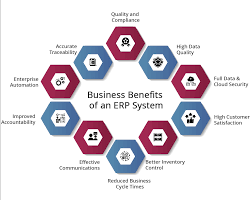
Integrated ERP, CRM, and e-commerce systems deliver measurable advantages:
Enhanced operational efficiency: Reduced manual work and faster order fulfillment
Improved customer experience: Accurate orders, faster delivery, and personalized engagement
Better decision-making: Unified reporting across sales, finance, and operations
Increased agility: Ability to respond to market changes, promotions, or disruptions quickly
Integration turns data into actionable insights and ensures smoother business processes.